

Kasarani, Nairobi, Kenya
+254 704 831732
+254 704 831732
info@alvidafrica.co.ke
alvidafrica@gmail.com
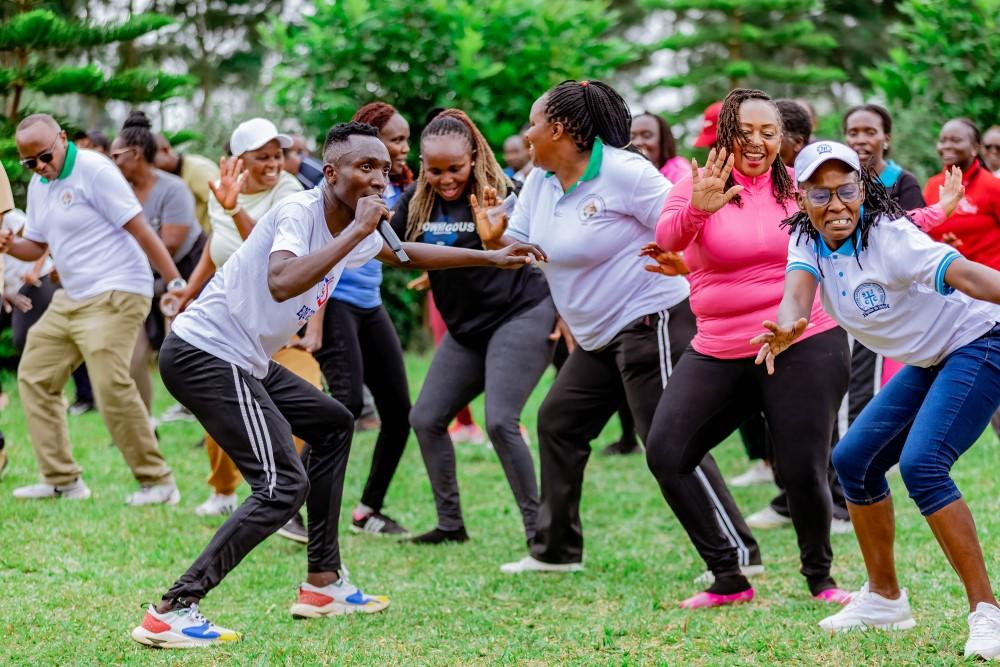
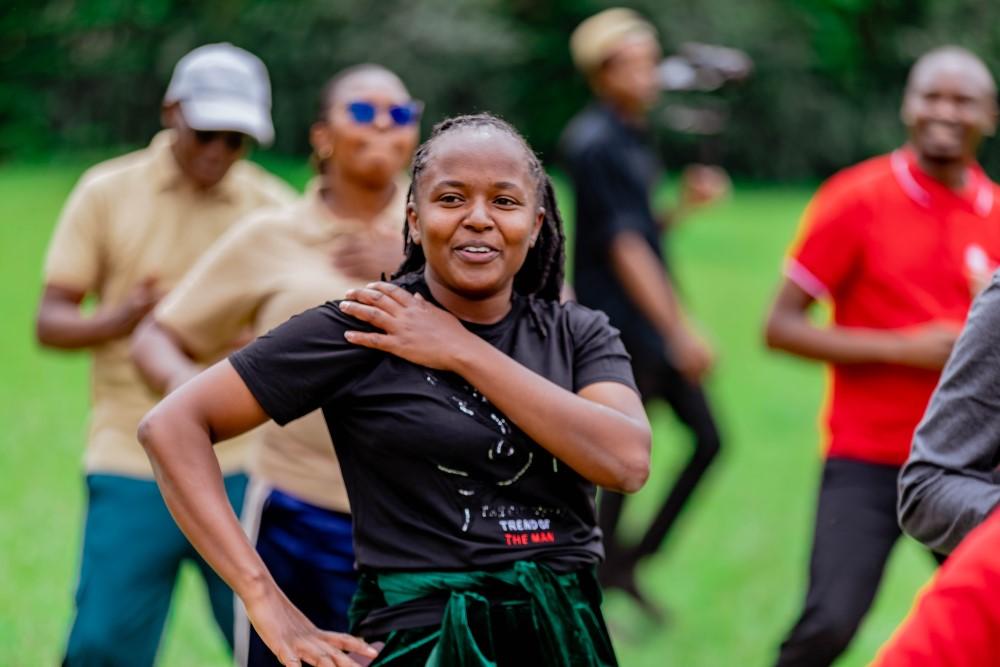
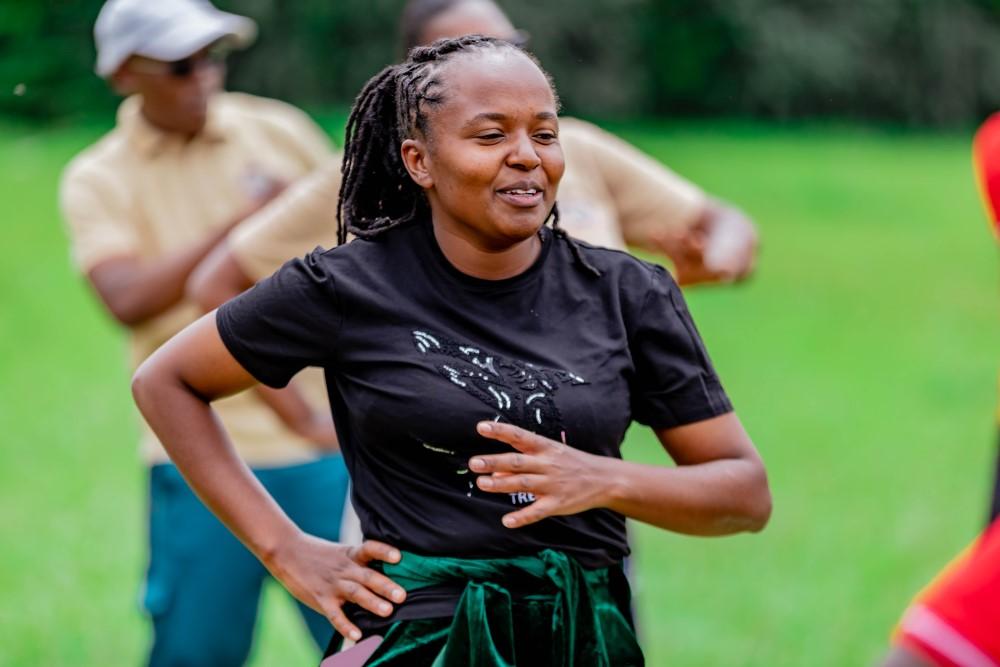
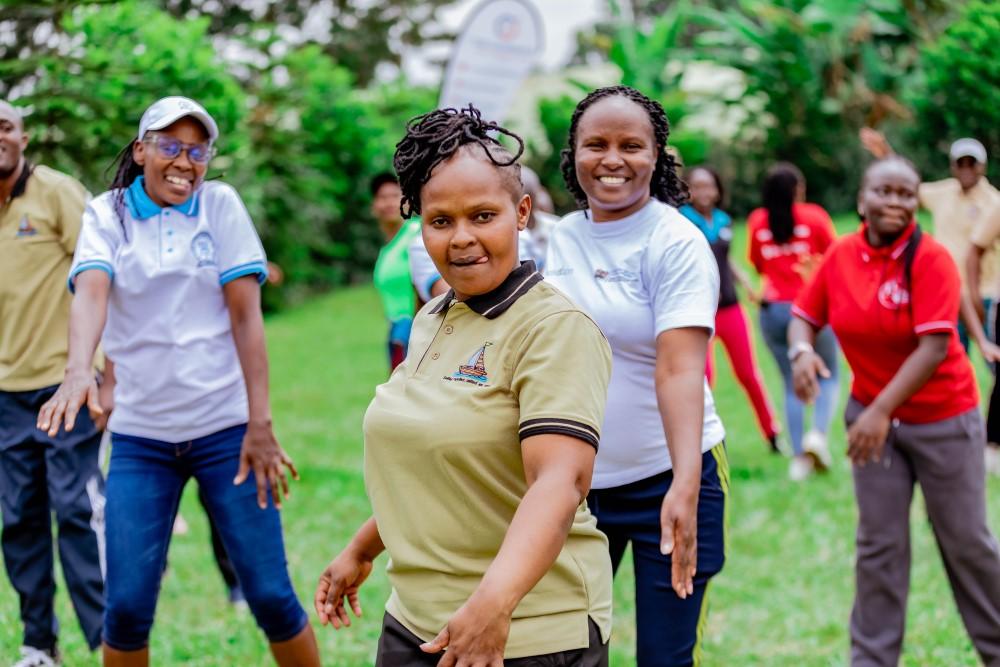
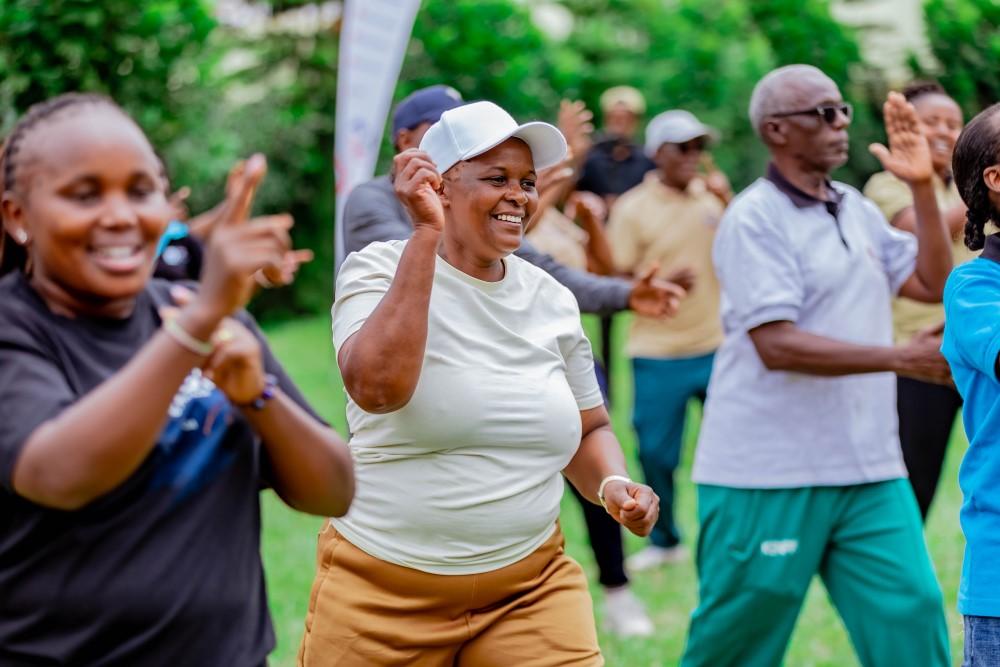
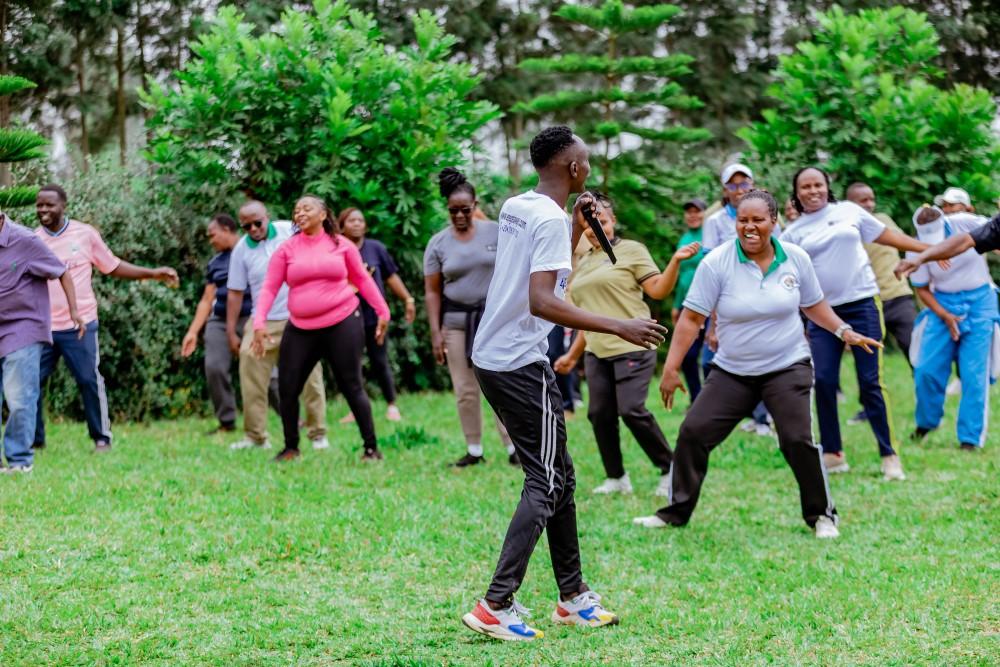
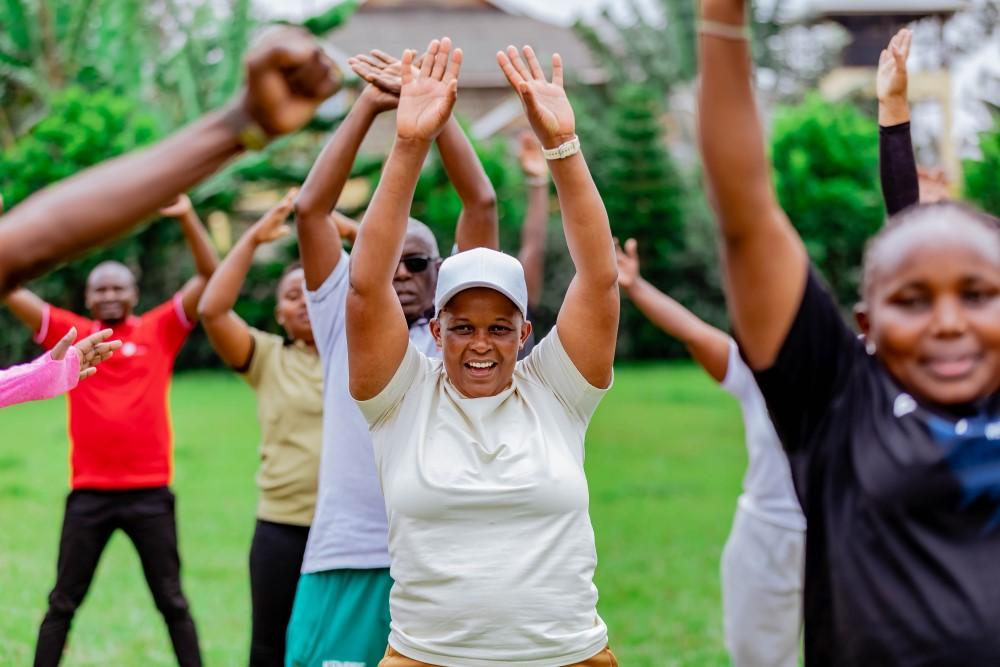


 by Alvid Africa
Psychological Safety: Creating Teams Where People Feel Safe to Speak Up
A high-performing team is not simply a group of talented people working toward the same goal. It is a team where people feel safe enough to ask questions, challenge ideas, admit mistakes, and share concerns without fear of embarrassment or punishment. This is the foundation of psychological safety, one of the most important ingredients for effective collaboration and sustainable workplace performance.
Psychological safety means creating an environment where employees can express themselves honestly and participate without fear of negative consequences. It does not mean avoiding accountability or allowing poor performance. Instead, it means creating a culture where people can communicate openly while still being responsible for their actions.
When employees feel psychologically safe, they are more likely to speak up when they identify a problem, contribute creative ideas, and ask for help when they need it.
Silence can be expensive for organizations. Employees who are afraid to speak may notice problems but choose not to raise them. They may have innovative ideas but keep them to themselves or make mistakes without seeking assistance.
Psychologically safe teams create the opposite environment. Employees feel encouraged to participate, learn from mistakes, and challenge assumptions. This leads to better communication, stronger collaboration, faster problem-solving, and greater innovation.
Leaders should create opportunities for employees to share their opinions, concerns, and ideas. Regular team discussions and one-on-one conversations can help employees feel that their voices genuinely matter.
Listening is more than hearing words. Leaders should give employees their full attention and seek to understand different perspectives before responding. Even when an idea cannot be implemented, acknowledging the contribution builds trust.
Mistakes should be addressed, but they should also create opportunities for learning. Instead of immediately asking, "Who made the mistake?" effective leaders ask, "What happened, and what can we learn from it?"
This approach encourages employees to report problems early rather than hiding them.
A team where everyone agrees all the time may not necessarily be a strong team. Different perspectives can reveal risks, challenge assumptions, and produce better solutions.
Leaders should make it acceptable to respectfully disagree while keeping discussions focused on ideas rather than personalities.
Psychological safety starts with leadership behavior. Leaders who admit when they do not have all the answers, acknowledge their mistakes, ask for feedback, and show vulnerability demonstrate that it is safe for others to do the same.
Psychological safety does not happen after one team-building activity or a single leadership workshop. It develops through consistent behavior over time.
Every interaction sends a message about whether people are safe to speak, contribute, and learn. Leaders who consistently demonstrate respect, openness, fairness, and accountability create the conditions for stronger teams.
Organizations cannot expect innovation, collaboration, and exceptional performance from employees who are afraid to speak up. Creating psychological safety gives people the confidence to contribute their ideas, raise concerns, learn from mistakes, and work together more effectively.
At ALVID AFRICA, we believe transformative teams are built through meaningful experiences that strengthen communication, trust, leadership, and collaboration. Create a workplace where people don't just show up; they feel confident enough to speak up, contribute, and grow.
Safe voices create stronger teams. Stronger teams create better organizations.